
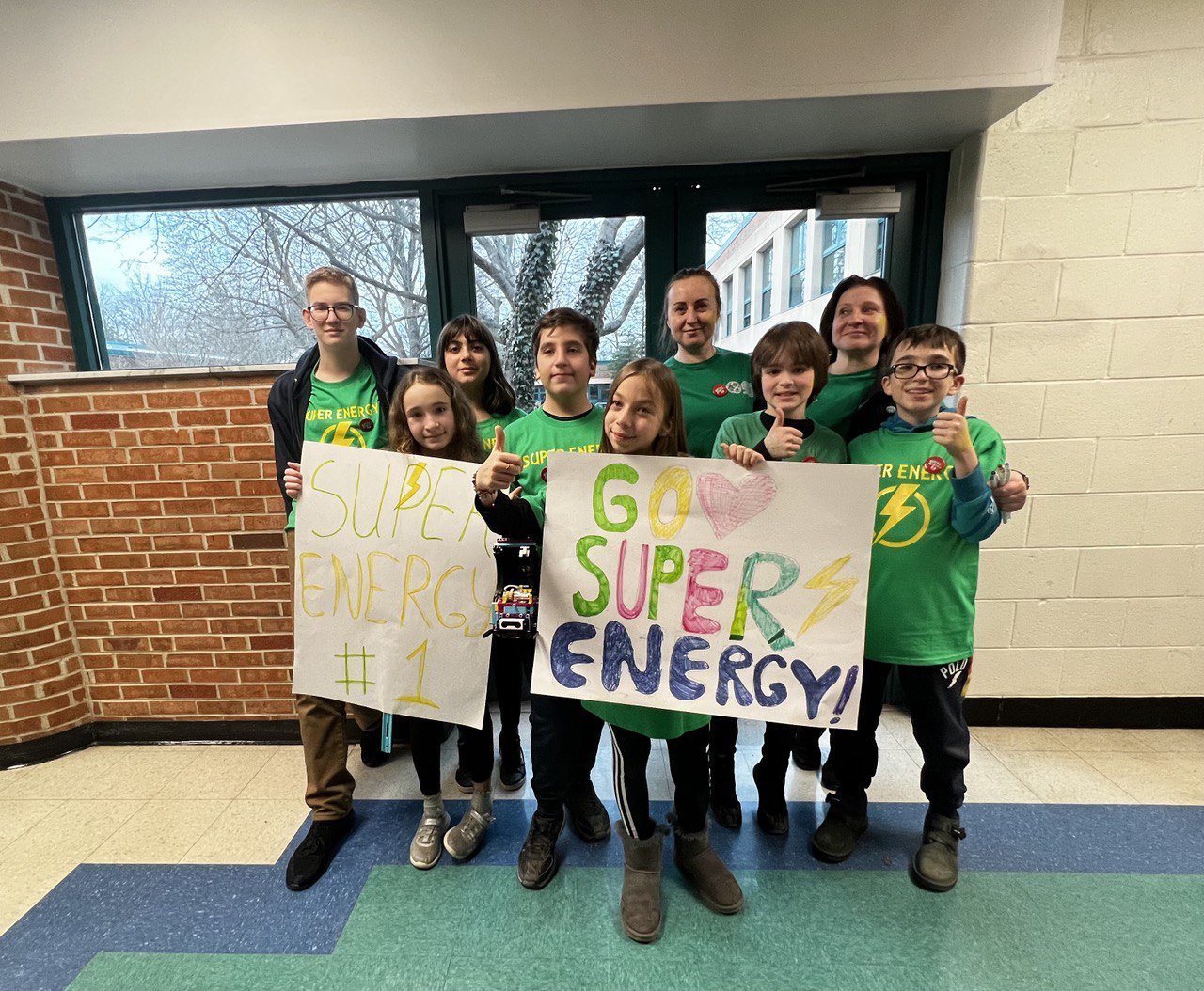
FIRST LEGO League Competition Teams
Build. Research. Present. Compete.
At World of Robotics, we prepare students for official FIRST LEGO League (FLL) competitions.
This is not just robotics — it’s engineering, teamwork, public speaking, and real problem solving.

Ages:
FLL Explore
5 - 9 years old
FLL Challenge
9 - 14 years old

Locations:
Huntingdon Valley

Schedule:
FLL Explore:
Wednesday - 6:30 pm
Saturday - 12:30 pm
FLL Challenge:
Saturday - 2 pm


Price:
March - June
$140 per month
$100 competition fee
August - Competition
$180 per month
$190 competition fee
$30 t-shirt (for new members)
Duration:
March - June
90 minutes
August - Competition
120 minutes
Our Teams
FIRST LEGO League Explore (Ages 5–9)
Wednesday Team
Team size
4–6 students
Practices
Wednesday at 6:30 PM
Registration deadline
September 30
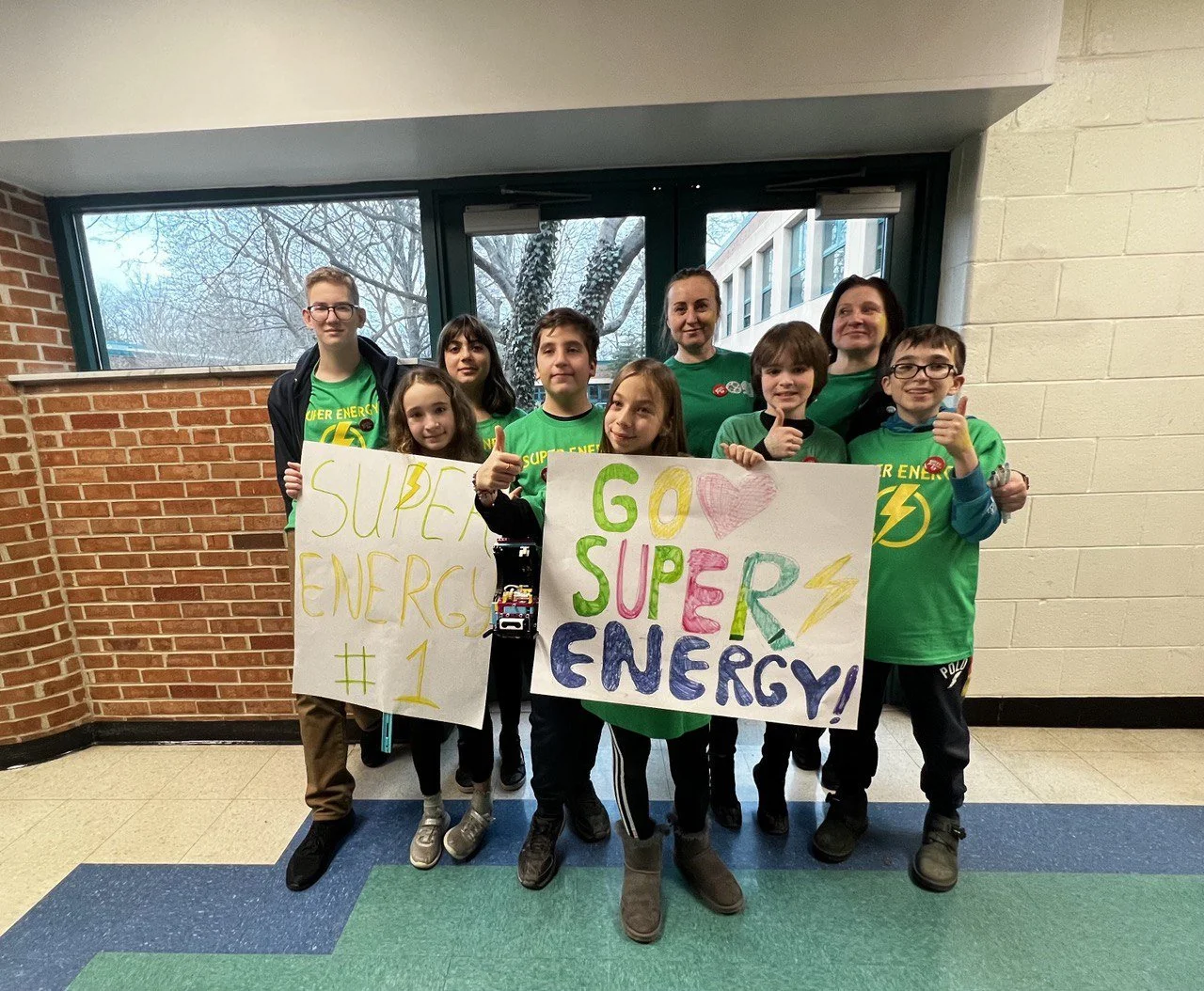
Saturday Team
Team size
4–6 students
Practices
Saturday at 2:00 PM
Registration deadline
October 3
Explore is a guided introduction to robotics and teamwork.
Students work in three major areas:
1) Model Building
Build a LEGO model based on the official season theme
Use motors and sensors
Improve structure and design
2) Coding Basics
Learn introductory programming
Control motors and movement
Understand simple logic and sequences
3) Presentation & Teamwork
Research a simple real-world topic
Prepare a team poster
Present to judges in a friendly environment
Practice communication and collaboration
There are no elimination rounds — this program focuses on::
Confidence
Creativity
Public speaking skills
FIRST LEGO League Challenge (Ages 9–14)
Challenge Team
Team size
3–8 students
Practices
Saturdays at 2:00 PM
Registration deadline
September 12
Challenge is a competitive engineering program.
Students work in three major areas:
1) Robot Game
Design and build a competition robot
Program autonomous missions
Test and refine strategy
Optimize attachments for different missions
Practice timed runs on the official field
2) Innovation Project
Research a real-world problem based on the season theme
Interview experts
Develop and prototype a solution
Create presentation materials
Present to judges
3) Core Values
Practice teamwork and leadership
Learn conflict resolution
Build responsibility and accountability
Develop public speaking skills
Students compete at official regional tournaments and may advance to higher levels.
What Students Learn in Competition Robotics
Our program is built around official FIRST LEGO League standards.
Students train not just to build — but to compete.
🤖 Competitive Robot Engineering
Design robots specifically for official FLL missions
Build modular attachments for different tasks
Optimize structure for speed, precision, and reliability
Analyze mechanical efficiency and consistency
💻 Strategic Programming
Develop autonomous programs for timed runs
Use sensors for accurate navigation
Apply advanced logic, conditionals, loops, and calibration
Test, measure, and refine performance
📊 Performance Optimization
Analyze mission scoring strategy
Improve time management during matches
Track results and adjust robot design accordingly
Practice under competition conditions
🔬 Innovation & Research
Research real-world engineering problems
Develop practical solutions
Prototype ideas
Prepare structured presentations for judges
🧠 Engineering Mindset
Work under time constraints
Solve unexpected technical problems
Adapt strategy between rounds
Take responsibility within a team
Why Competition Robotics Matters
🎯 Real Goals, Real Standards
Students work toward official regional tournaments with defined scoring systems and judging criteria.
⚙️ Applied Engineering
They experience real engineering workflow: design → test → fail → improve → optimize.
🏆 Competitive Experience
Students learn how to perform under pressure, manage time, and execute strategy during matches.
🚀 Preparation for Advanced STEM
Competition robotics builds a foundation for future engineering, programming, and technical careers.
Who’s Teaching This Class
-

Tatiana Fesenko
-

Olga Preobrazhenskaya
-

Dima Tikot
FAQs
-
Students must fall within the official FIRST LEGO League age ranges:
Explore: Ages 5–9
Challenge: Ages 9–14
No prior competition experience is required, but students should be ready to work in a structured team environment.
-
For Explore — no experience is required.
For Challenge — basic LEGO robotics experience is recommended.
If unsure, we can assess your child and recommend the appropriate level.
-
This is an official FIRST LEGO League competition program.
Students:Train for regional tournaments
Follow official FLL rules and judging criteria
Compete in robot performance rounds
Present innovation projects to judges
This is not a casual LEGO club — it is structured competitive training.
-
Weekly practices (see schedule above)
Additional preparation closer to competition season
Possible extra sessions before tournaments
Competition teams require consistent attendance and commitment.
-
The competition fee covers:
Official team registration
LEGO competition kit
Tournament registration
Presentation materials
Competition-related expenses
Personalized trophies and certificates
Practice classes are paid separately.
-
Team T-shirt: $30 (if student does not already have one)
Possible travel costs depending on tournament location
All other competition-related expenses are included in the participation fee.
-
Preparation begins in March.
March–June: Skill development and technical training
August–Competition: Intensive mission and project preparation
We start early to build strong foundations before the official season begins.
-
Competition teams depend on collaboration.
Frequent absences affect team progress.We expect consistent attendance throughout the season.
-
Yes. Parents are welcome to attend tournaments and support their team.
-
Yes. Teams that perform well at regional tournaments may advance to higher-level competitions.
-
Teams are formed based on:
Age
Skill level
Commitment
Team compatibility
We aim to create balanced, high-performing teams.
What Parents Say
-
"This is not just a LEGO class. The kids work hard, test their robots repeatedly, and truly learn how competitions function. We saw major growth in responsibility and teamwork."
— Aleksey P., parent